BNEN welcomes its largest intake of students in 25 years
Twenty-five years ago, nuclear research centre SCK CEN and 5 – subsequently 6 – Belgian universities set up the BNEN inter-university master-after-master programme. This programme is designed to ensure a steady stream of new nuclear engineers and to safeguard Belgium’s nuclear expertise in the long term. Today, that remit is more relevant than ever. This is reflected in the enrolment figures: more students than ever are choosing BNEN.
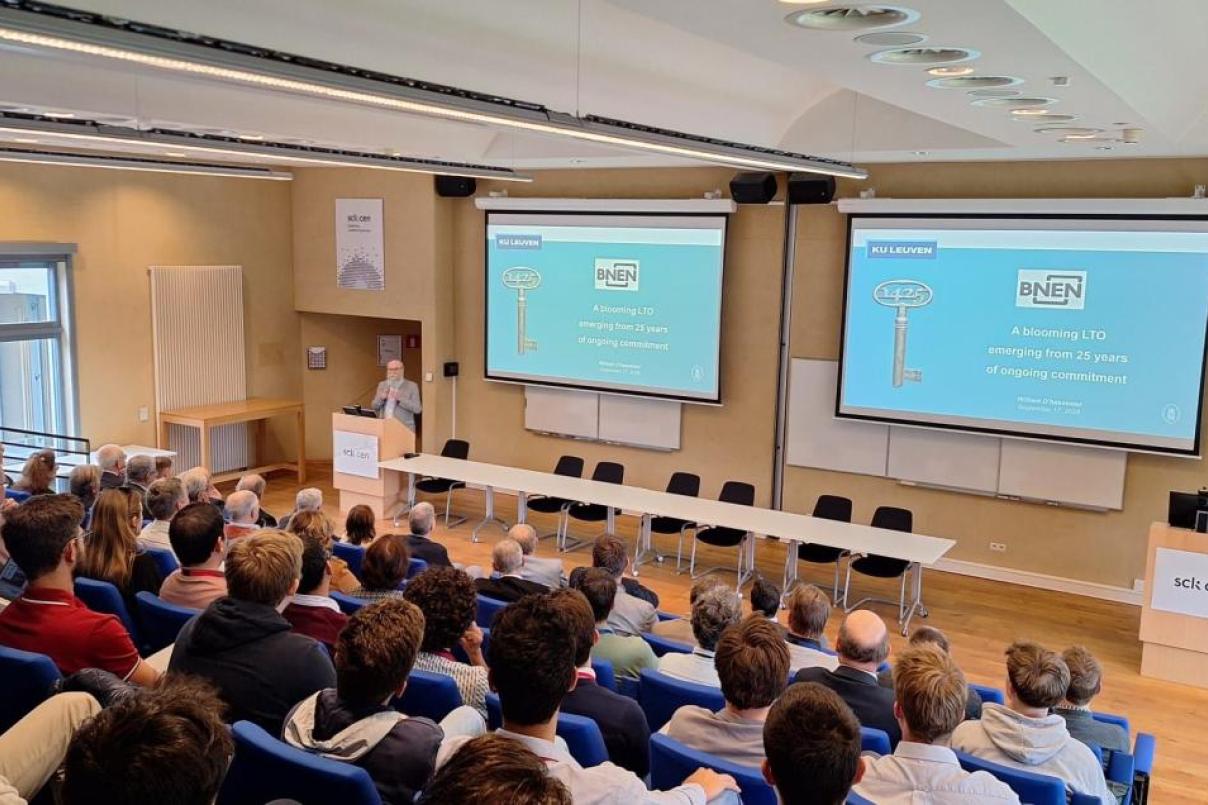
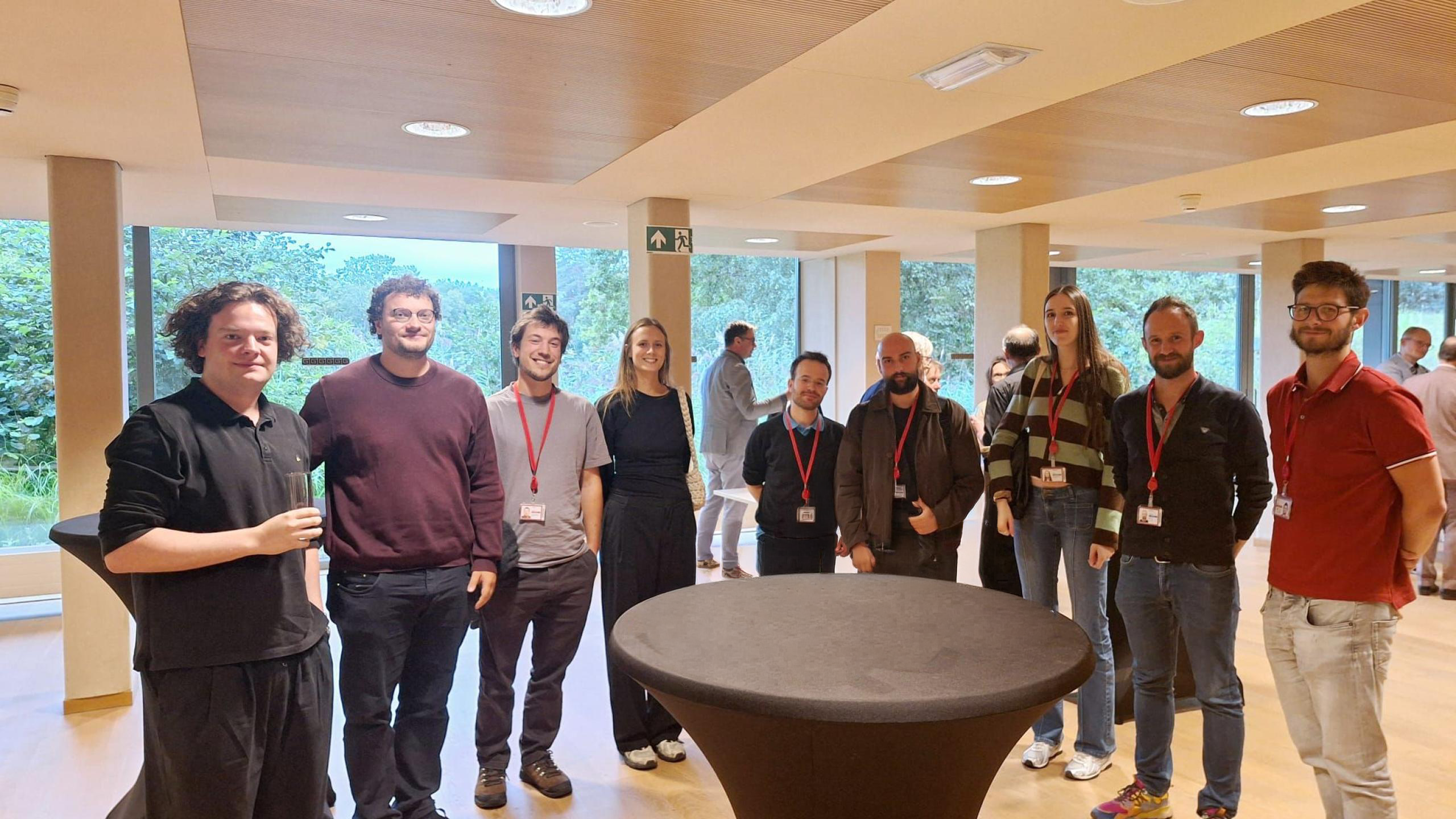
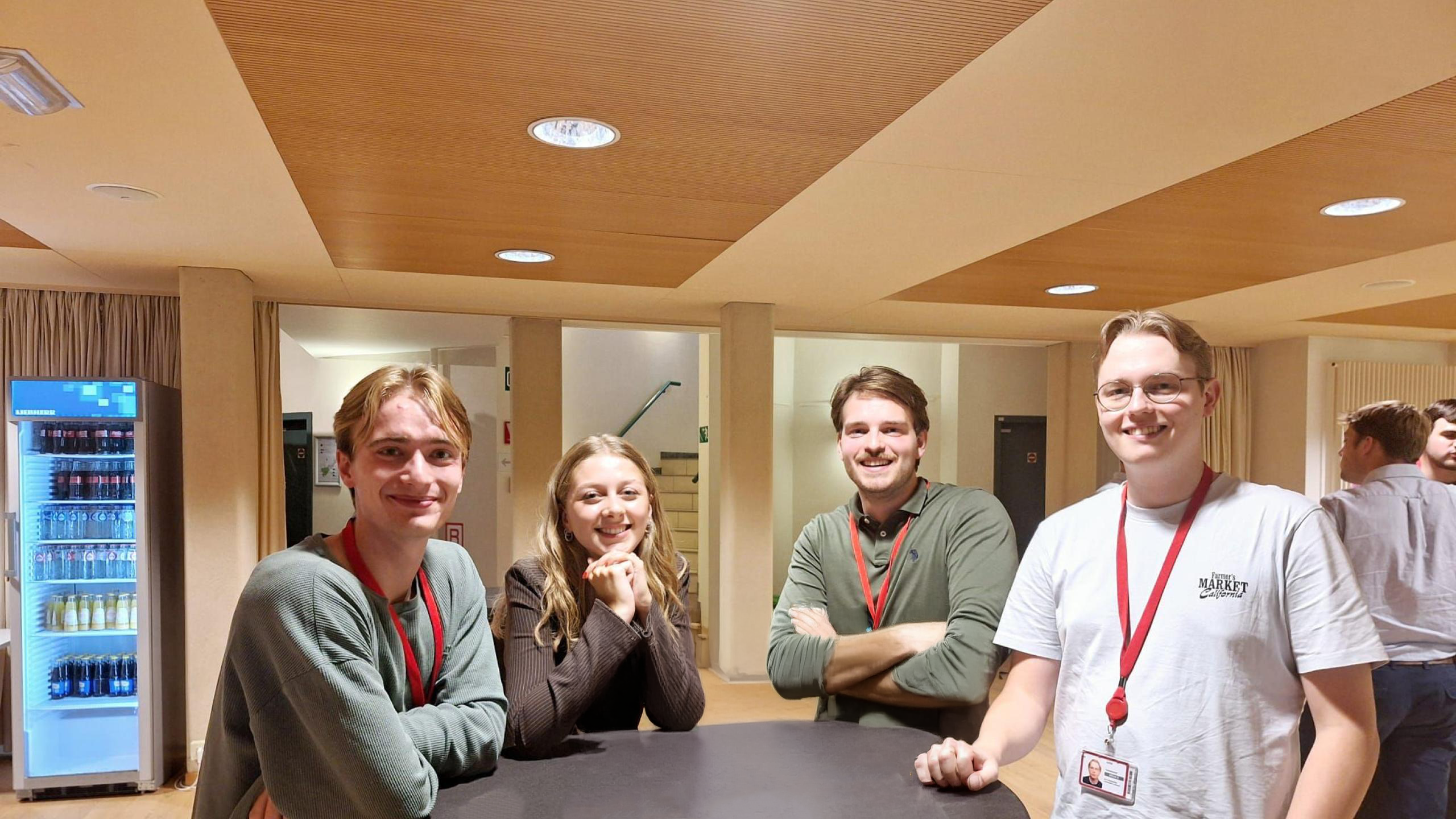
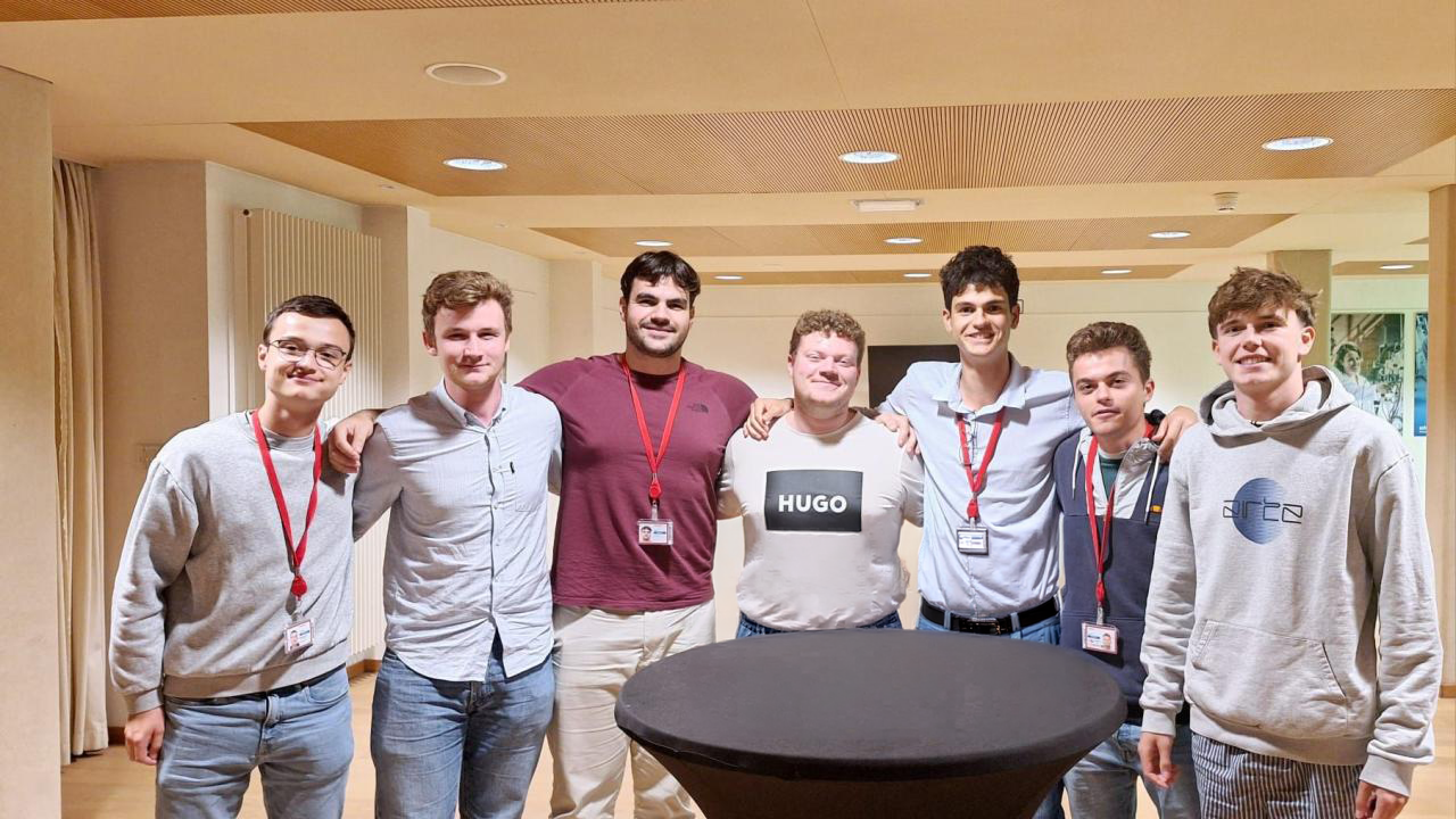
BNEN is celebrating its 25th anniversary and is starting the academic year with more students than ever. "We are welcoming an impressive 27 first-year students," enthuses Kris Pennemans, BNEN programme secretary and employee of the SCK CEN Academy. "As such, we have easily smashed our average of 10 and the previous record of 16 new entrants." It is not only these students who are interested in the course, as 10 (junior) professionals are taking individual modules.
In other words, the fuller auditoria will reflect the growing interest in the sector. Indeed, Belgium has recently reaffirmed its nuclear ambitions. The federal government is aiming to have 4 gigawatts of nuclear power in the energy mix. It plans to achieve this by building new power plants, but also by extending the lifespan of existing capacity. For example, it is currently in talks with ENGIE S.A. and Electrabel N.V./S.A. regarding a possible takeover of the latter's nuclear operations. At the same time, the nuclear sector is also becoming increasingly important in the fight against cancer.
-
Significant change in the student profile
To realise these ambitions, the sector is looking for specialist staff in a wide range of fields. "That appeals to young people. We are therefore seeing a significant change in the student profile," Kris Pennemans reveals. "In the past, half of our students combined the specialisation programme with their job. This academic year, 70% are studying full-time. It remains to be seen whether this trend will continue in the coming years."
-
Since the start of BNEN
Label Value Working student 52 Full-time student 48 -
Academic year 2026-2027
Label Value Working student 30 Full-time student 70
Lateral entry
Traditionally, the master-after-master programme mainly attracted students with a background in classical engineering. BNEN is now also active in other technical and scientific fields, as can be seen this academic year. "Thirteen students enrolled on the preparatory programme," confirms Kris Pennemans. "This programme prepares them for the specialisation pathway by equipping them with the necessary prior knowledge."
A unique blend of theory and practice
This prior knowledge is no luxury, as BNEN covers all aspects of the nuclear sector. It covers the exact sciences underpinning nuclear technology, such as reactor physics, thermohydraulics, materials science and the fuel cycle. At the same time, topics such as nuclear safety and radiological protection are covered in detail. "We deliberately go into depth," explains Tom Clarijs, project officer at the SCK CEN Academy. "Students have to understand, master and apply the underlying principles. That's why we organise practical sessions in our laboratories and visit operational nuclear facilities, including our BR2 research reactor and the nuclear power stations at Doel and Tihange."
Ambition for the next 25 years
Our ambition for the next 25 years goes beyond impressive enrolment figures. "We are, of course, extremely proud of this intake and will set the bar just as high next year. "Quality remains our priority in that regard," reiterates Tom Clarijs. "For 25 years, BNEN has stood out thanks to its unique blend of academic rigour and a practical approach. Even as interest grows, we want to continue with this approach. It requires intensive support, but it pays off. We are strengthening the sector with professionals who are ready to start work straight away."